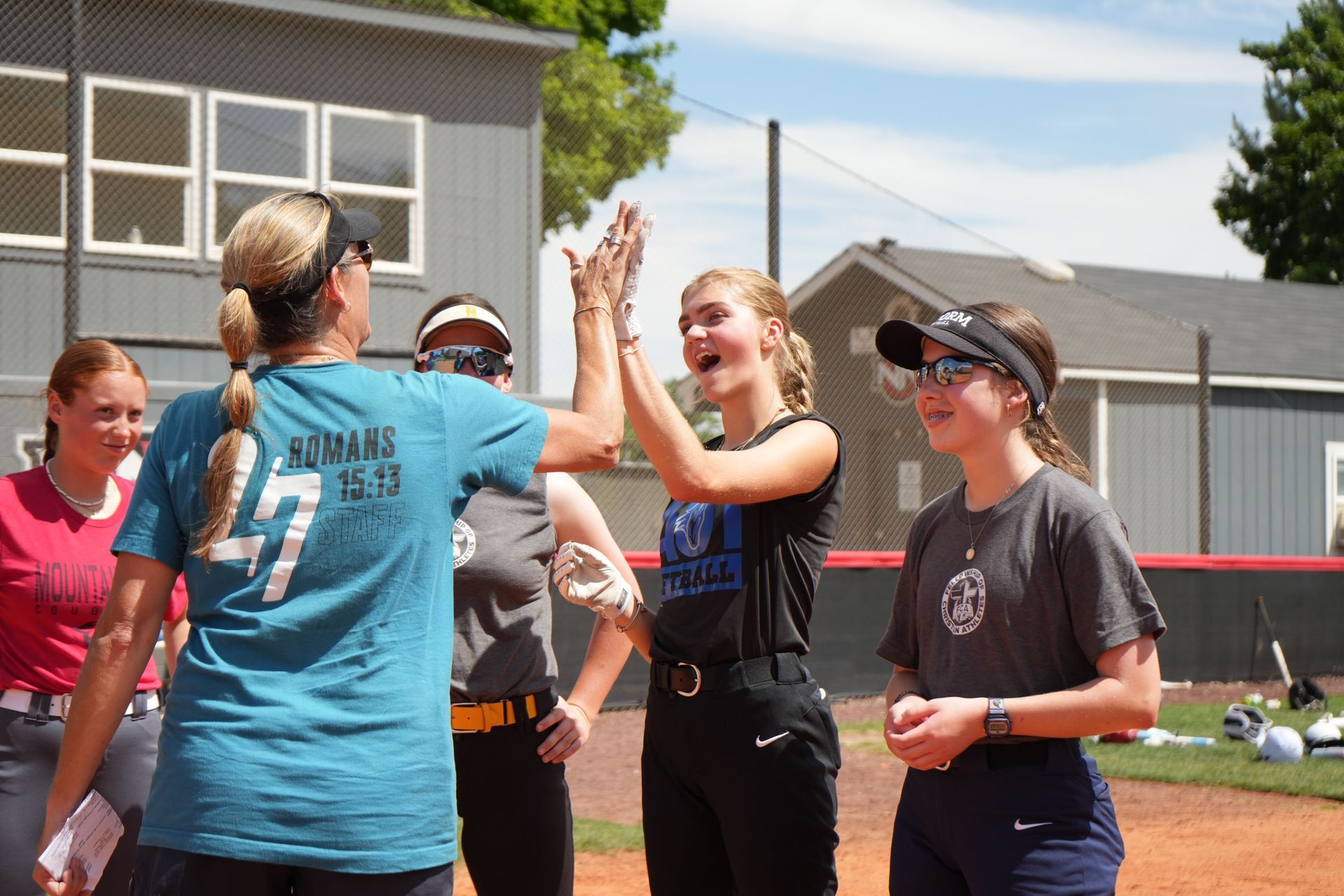


Why Every Coach Needs Spiritual Accountability Partners
“Iron sharpens iron, and one person sharpens another.” — Proverbs 27:17
Coaching young Christian athletes is about more than developing skill—it’s about shaping character and pointing athletes to Christ. Yet coaches cannot walk this path alone. Spiritual accountability partners are essential companions in the journey, helping coaches stay grounded in faith, avoid isolation, and grow as leaders who reflect Christ both on and off the field. When coaches commit to accountability, they set the tone for teams rooted in trust, encouragement, and discipleship.
The Role of Faith in Coaching
Faith-based coaching integrates biblical principles into practices and games, teaching athletes that success is more than the scoreboard. Colossians 3:17 reminds us, “And whatever you do, in word or in deed, do everything in the name of the Lord Jesus, giving thanks to God the Father through him.” Coaches who model this truth help athletes see that their value rests not in performance but in Christ.
Sharing personal testimonies, praying with teams, and pointing athletes back to Scripture builds trust and creates safe spaces where athletes can explore their faith. This type of leadership transforms coaching into discipleship, anchoring sports in something far greater than competition.
Why Accountability Partners Matter
Even the strongest leaders need support. Ecclesiastes 4:9–10 reminds us, “Two are better than one because they have a good reward for their efforts. For if either falls, his companion can lift him up.” Coaches who have accountability partners are less likely to feel isolated and more likely to persevere with integrity.
Accountability partners provide:
- Encouragement when coaching becomes discouraging.
- Perspective when challenges feel overwhelming.
- Correction when pride or fatigue creeps in.
- Prayer support when burdens grow heavy.
Through these relationships, coaches grow in humility, wisdom, and resilience—qualities that directly impact how they lead young athletes.
Building Team Culture Through Shared Faith
When coaches prioritize accountability and faith, it shapes the entire team. Romans 15:5–6 says, “Now may the God who gives endurance and encouragement grant you to live in harmony with one another, according to Christ Jesus, so that you may glorify the God and Father of our Lord Jesus Christ with one mind and one voice.”
Practical steps to weave accountability and faith into team culture include:
- Hosting pre-practice devotionals or post-game prayer circles.
- Encouraging mentorship between older and younger athletes.
- Modeling respect for referees, opponents, and teammates.
When athletes see coaches valuing accountability and humility, they too begin to embrace these values, strengthening both performance and spiritual maturity.
Practical Ways to Pursue Accountability
Creating accountability doesn’t have to be complicated, but it does require intentionality. James 5:16 instructs, “Therefore, confess your sins to one another and pray for one another, so that you may be healed. The prayer of a righteous person is very powerful in its effect.”
Here are ways coaches can pursue accountability:
- Regular Check-Ins: Meet weekly or monthly with a trusted partner to share victories, struggles, and prayer requests.
- Faith Resources: Read Scripture or Christian books together to inspire conversations.
- Safe Spaces: Build relationships where honesty and vulnerability are welcomed, not judged.
By making accountability a consistent rhythm, coaches guard their own hearts and model faithfulness to those they lead.
Long-Term Impact on Athletes
The benefits of accountability extend far beyond the coach. Young athletes who witness faith-based leadership learn to value integrity, humility, and perseverance. Hebrews 12:1–2 reminds us, “Let us run with endurance the race that lies before us, keeping our eyes on Jesus, the pioneer and perfecter of our faith.” Coaches who walk with accountability partners demonstrate endurance and reliance on Christ, teaching athletes by example.
This type of leadership leaves a legacy. Athletes may forget a playbook or a game plan, but they will remember the spiritual lessons modeled by their coach—lessons that guide them long after their playing days are over.
Coach’s Heart Check
- Do I have someone in my life who holds me accountable in faith and leadership?
- Am I modeling humility and transparency to my athletes?
- How can I create a team culture that values encouragement, prayer, and discipleship?
- Do I prioritize God’s approval over success in competition?
Living Sharpened by Faith
Coaching is never meant to be a solo journey. Spiritual accountability partners provide encouragement, wisdom, and correction that keep coaches aligned with God’s calling. As Proverbs 27:17 reminds us, “Iron sharpens iron, and one person sharpens another.” By embracing accountability, coaches not only strengthen their own walk with Christ but also disciple a new generation of athletes to live with faith, courage, and integrity.
Galatians 6:9 offers this encouragement: “Let us not get tired of doing good, for we will reap at the proper time if we don’t give up.” With accountability and God’s Word as the foundation, coaches can persevere in doing good—building teams and shaping lives that glorify Christ.
Recent Articles