

Finishing the Season Faithfully: Persevering in Coaching and Calling
Finishing the Season Faithfully: Persevering in Coaching and Calling
“Let us not get tired of doing good, for we will reap at the proper time if we don’t give up.” — Galatians 6:9
The end of a season can feel both exhausting and rewarding for a coach. Wins and losses are tallied, but what remains are the lives impacted. For Christian coaches, finishing a season is about more than completing a schedule—it’s about remaining faithful to God’s calling, persevering through challenges, and nurturing athletes to grow both in skill and in spirit. Coaching young Christian athletes requires perseverance rooted in faith, because every moment invested in these athletes plants seeds that can bear eternal fruit.
The Heart of Coaching: Nurturing Young Lives
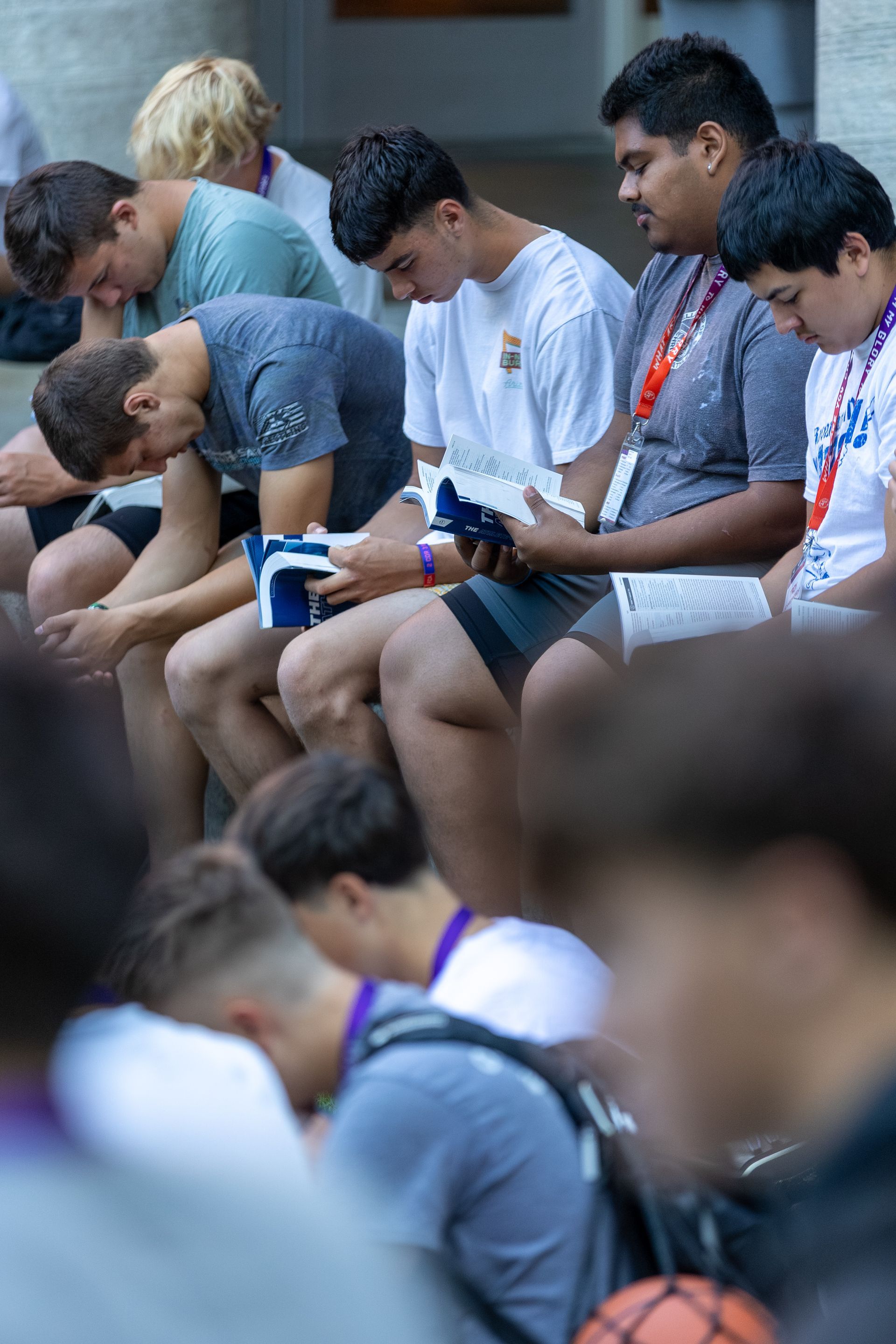
Coaching is never just about teaching skills—it is about shaping lives. Every drill, practice, and game is an opportunity to instill values like teamwork, discipline, and resilience. Proverbs 22:6 reminds us, “Start a youth out on his way; even when he grows old he will not depart from it.” Coaches leave a lasting imprint, one that influences character and faith long after the season ends.
For Christian coaches, this means making sure athletes understand their abilities are gifts from God. When young athletes approach competition with humility and gratitude, they develop both as players and as disciples of Christ. In this way, coaching becomes ministry—an extension of God’s work in the lives of the next generation.
Faith as the Foundation of Coaching
Sports can easily become about performance, but faith provides deeper meaning. Colossians 3:23 urges us, “Whatever you do, do it from the heart, as something done for the Lord and not for people.” When athletes see sports as a way to glorify God, they gain perspective that frees them from the burden of seeking only human approval.
Prayer before games, Scripture reflections during practice, and conversations about God’s purpose in competition all help athletes connect their faith to sports. This perspective strengthens resilience: when athletes face setbacks, they are reminded their identity is rooted in Christ, not in statistics or trophies.
Persevering Through Challenges
Every coach knows the struggles that come with a season—balancing diverse skill levels, managing parental expectations, or enduring losing streaks. These challenges can be draining, but perseverance in faith helps coaches endure. James 1:12 says, “Blessed is the one who endures trials, because when he has stood the test he will receive the crown of life that God has promised to those who love him.”
Faith allows coaches to model endurance for their athletes. By staying positive, keeping focus on growth rather than just outcomes, and remaining faithful even in hard moments, coaches show athletes how to trust God in the middle of trials. That example becomes a living testimony of perseverance.
Mentorship Beyond the Field
Coaching extends far beyond practices and games. Young athletes face pressures from academics, peer relationships, and identity struggles. Coaches are often placed in a unique position to mentor beyond the field. Galatians 6:2 encourages, “Carry one another’s burdens; in this way you will fulfill the law of Christ.” Listening, encouraging, and guiding athletes spiritually can change the trajectory of their lives.
Practical mentorship might look like helping athletes set life goals, checking in about their personal struggles, or encouraging them to serve in their communities. By intentionally mentoring with a biblical foundation, coaches help athletes develop not just as players, but as leaders and faithful followers of Christ.
Leading by Example Through Faith
Team culture flows from leadership. Coaches who demonstrate humility, integrity, and compassion create teams that reflect those same values. Philippians 2:3–4 calls us, “Do nothing out of selfish ambition or conceit, but in humility consider others as more important than yourselves. Everyone should look not to his own interests, but rather to the interests of others.”
Faith-based leadership means coaching with a servant’s heart. It means prioritizing the growth of athletes over personal recognition. When coaches live this way, they inspire athletes to do the same, creating a culture of encouragement, respect, and spiritual growth.
Empowering Athletes for Lifelong Impact
Seasons eventually end, but the lessons learned last a lifetime. Coaches who integrate faith into sports equip their athletes for both present competition and future life challenges. 2 Timothy 4:7 reflects the call to perseverance: “I have fought the good fight, I have finished the race, I have kept the faith.” Christian coaches are called to the same—to finish each season faithfully, trusting that the seeds they plant will continue to grow.
By empowering athletes with spiritual and personal growth, coaches prepare them to face life’s pressures with confidence rooted in Christ. Sports become not just about performance, but about preparing young men and women to glorify God in every arena of life.
Coach’s Heart Check
- Am I persevering in my calling even when results don’t meet expectations?
- Do I intentionally integrate faith into my coaching practices?
- Am I mentoring athletes beyond the field, caring for their hearts as well as their skills?
- Does my leadership style reflect humility, integrity, and service?
Finishing Faithfully
At the end of every season, wins and losses fade, but faith and character remain. Coaching is more than a role—it is a calling. Coaches who persevere with faith, humility, and love make an eternal impact. Galatians 6:9 reminds us not to grow weary, because in God’s timing, the harvest will come. By finishing faithfully, coaches reflect Christ and help athletes see that sports are more than games—they are opportunities to
grow in godliness and glorify the Lord.
Recent Articles